
Blade processing
Hand Saw Blade Processing
Review the blade format and discuss model-specific material, dimensions and tooth-profile requirements.
Confirm for your selected model
Connect the blade requirement to a specific model.
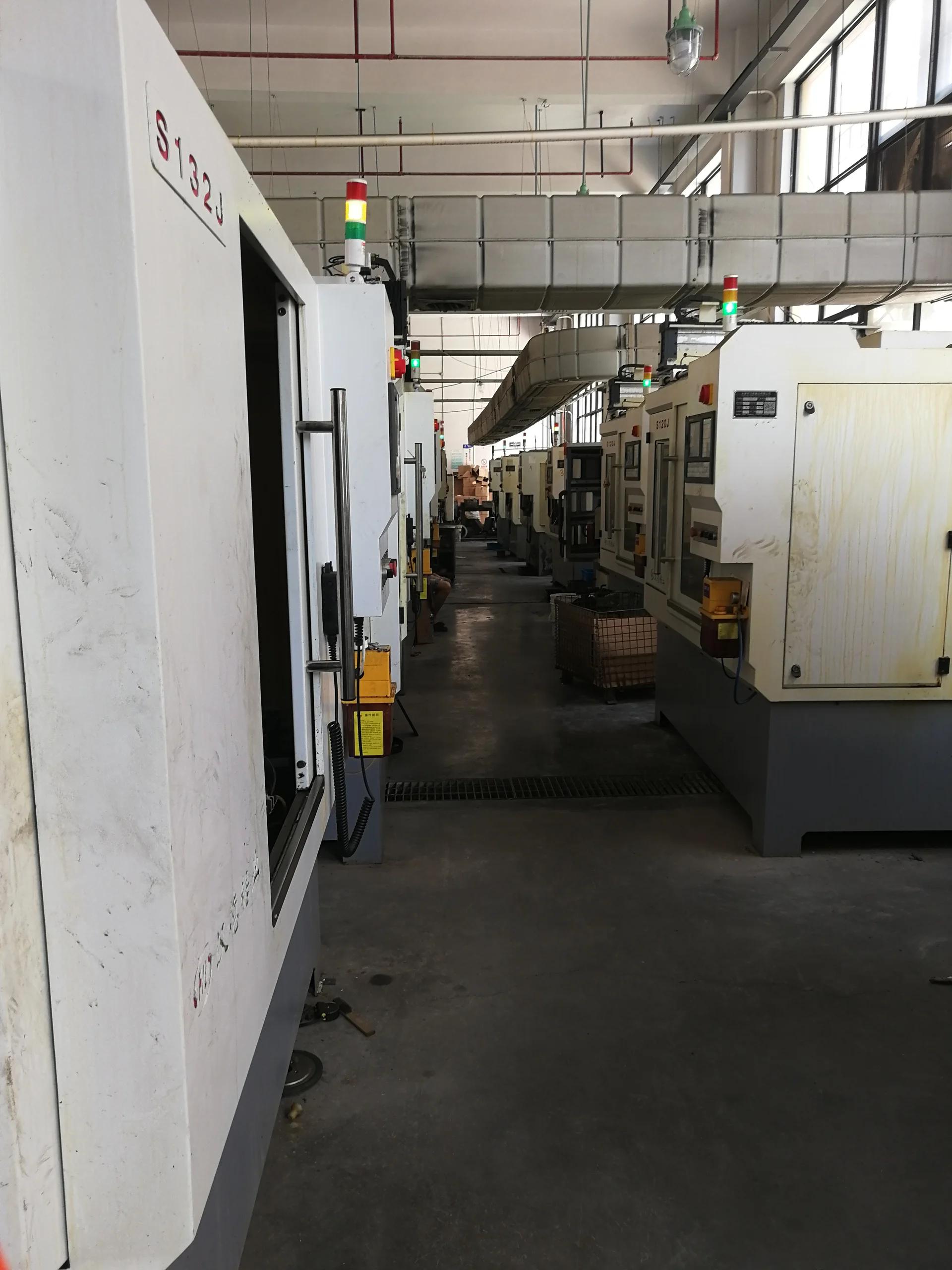
Customer-supplied workshop photographs document blade cutting and tooth-grinding equipment. Use them to start a manufacturing discussion, not to infer the specifications or process sequence of every product.
Material and dimensions
Ask for the material grade, blade dimensions and finish of the selected model. The presence of high-carbon-steel products in the range does not make that specification universal.
Tooth profile and cutting task
Share the intended task and required tooth details. Cutting direction, geometry and suitability need model-specific information rather than assumptions from a photograph.
Confirmation and inspection
Align the agreed product specification with the inspection requirements. Request supporting information for the selected model and discuss any changes before ordering.
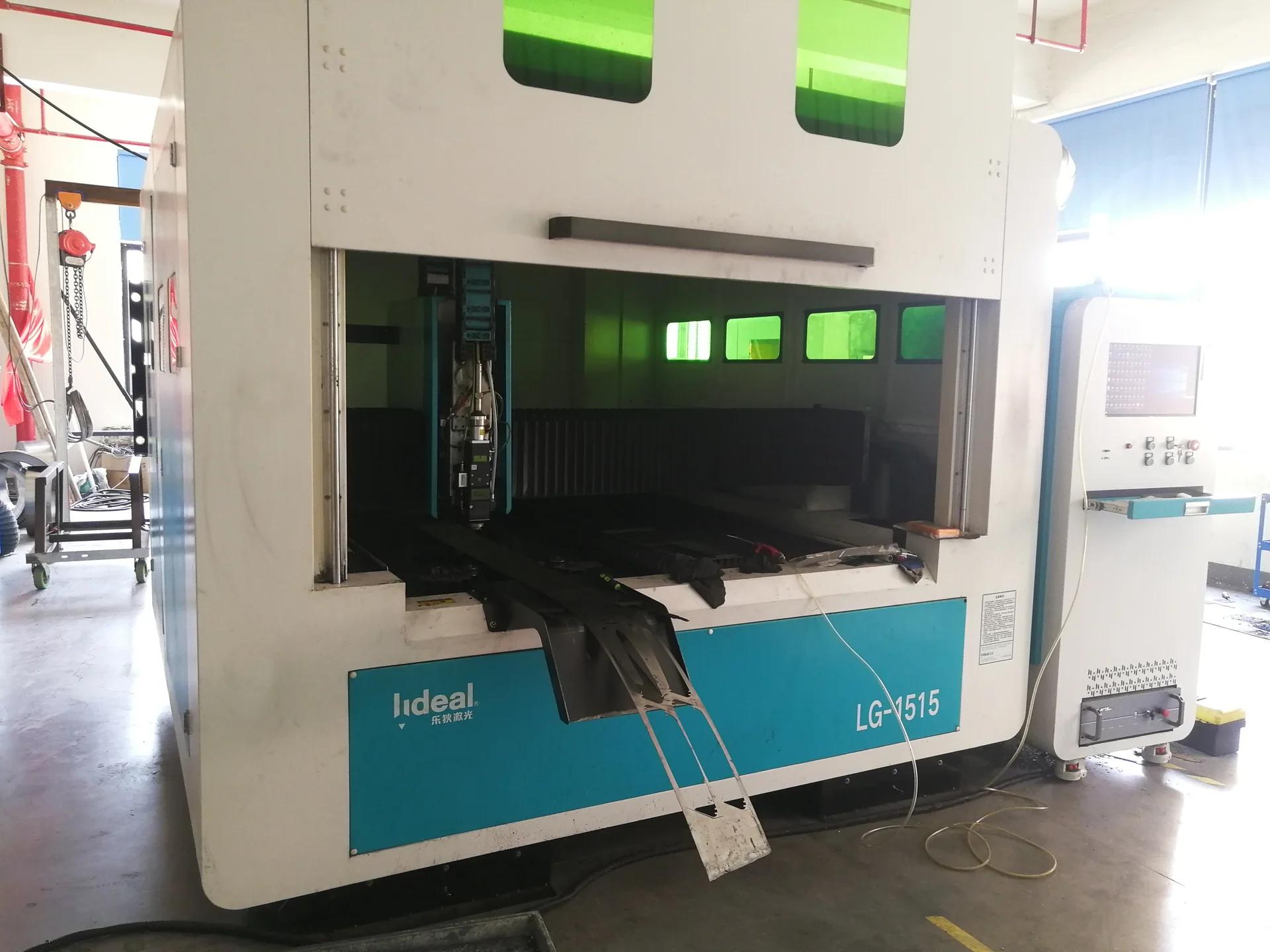
Workshop photographs, with clear evidence boundaries.
The supplied photographs show laser cutting and tooth-grinding equipment. They do not establish production capacity, tolerances, hardness values or the manufacturing history of a particular batch.
Explore the overviewBlade processing
Before you request a quote
Send these details with your inquiry so we can discuss the selected product and order, rather than make assumptions.
Request a Quote- Model reference, intended use and blade dimensions
- Material and tooth-profile requirements to be confirmed
- Inspection criteria and any supporting document requests
Exact materials, process parameters and tolerances are confirmed by model. Equipment photographs are not test reports or numerical performance evidence.