
C-1117 Double-sided saw
Discuss specifications, quantities and packaging requirements with our team.
Available Variants
Subtotal:
Product Details
C-1117 Double-sided saw Overview
The C-1117 Double-sided saw is a compact hand tool designed for controlled cutting where a power saw may be unnecessary or too aggressive. For buyers working with wood, plastic, trim pieces, or similar sheet material, the main problem is often the same: you need a clean, manageable cut without excessive noise, heat, or setup time. This style of manual saw offers direct control, making it useful for workshop tasks, carpentry touch-ups, DIY maintenance, and finishing work on site.
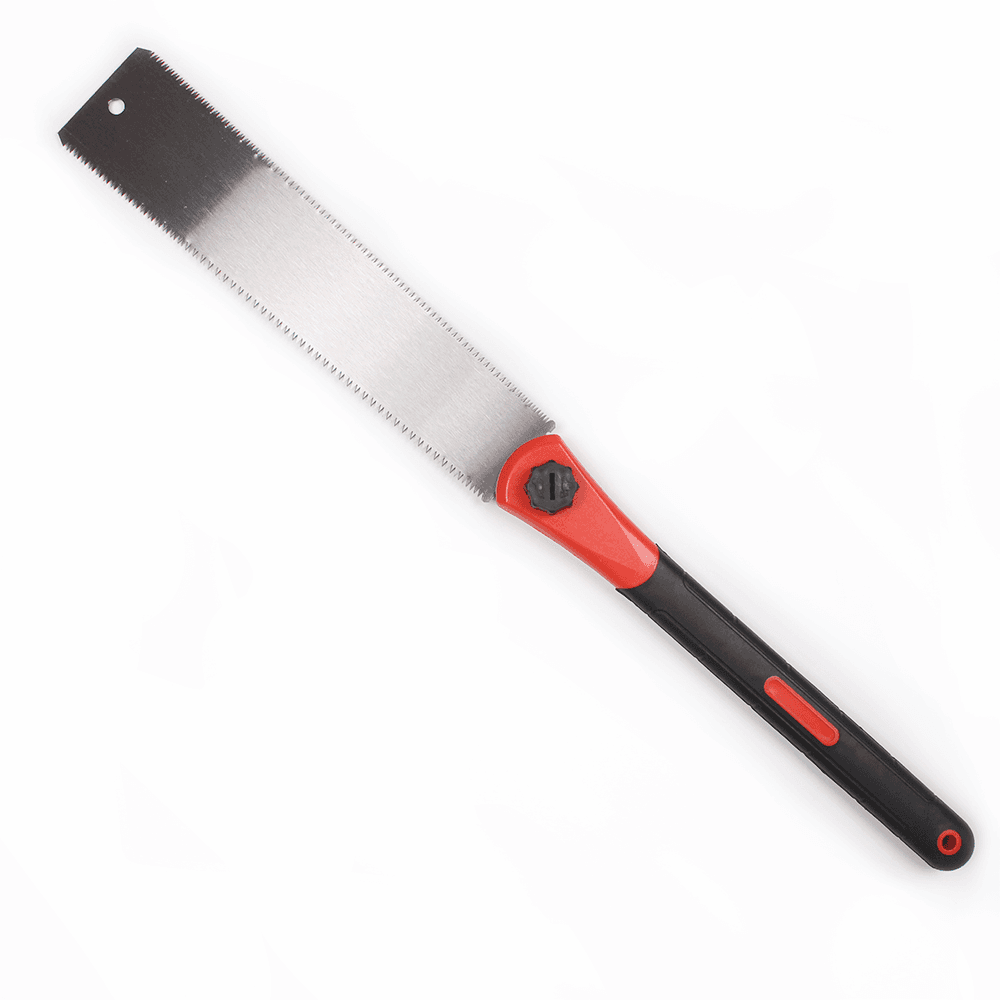
Based on its visible structure, the C-1117 Double-sided saw features a long flat metal blade with fine teeth and a molded two-tone handle. The tool format suggests it is intended for practical everyday use rather than heavy-duty demolition. Its compact size, hanging points, and ergonomic grip shape make it easy to store, carry, and access quickly during routine cutting tasks.
Product Structure and Visible Features
The saw shows a straight, square-profile blade with an angled front tip. The fine-tooth edge indicates a focus on controlled cutting rather than fast, coarse removal. A small hanging hole near the front of the blade adds storage convenience, while a second hanging hole at the butt end of the handle supports wall storage or tool-board placement.
The handle appears to be molded in black and red plastic, with a shaped grip zone and an angled transition into the blade area. A visible fastening point near the blade base suggests secure assembly between the handle and blade. The design looks practical and straightforward, with emphasis on grip stability and everyday handling.
Key visible characteristics
Fine-tooth blade for controlled hand cutting
Flat steel-looking blade with a brushed or polished finish
Ergonomic molded handle with a two-tone appearance
Hanging holes at both the blade tip and handle end
Compact hand-tool format for workshop and jobsite use
Key Specifications and Functional Capabilities
Because the available product data is visual rather than a technical datasheet, exact blade length, tooth count, steel grade, and thickness are not stated here. Still, the observable configuration gives useful clues about performance. A fine-tooth hand saw typically supports cleaner edge quality on softer wood, plastic sheet, small trim pieces, and similar materials where a rough cut would require extra finishing.
The long blade format helps keep the cut aligned, especially during straight trimming work. The angled front tip can assist with starting a cut in a confined area or positioning the blade at the workpiece edge. In day-to-day use, the tool is best understood as a general-purpose manual cutter for light to moderate tasks rather than a specialized saw for one narrow material category.
What this type of saw is suitable for
Trimming wood components in carpentry and repair work
Cutting plastic piping or plastic sections where hand control matters
Cutting dowels, moldings, and other small sections
General workshop and maintenance tasks
Finishing work that benefits from portable manual cutting
Materials and Finish Options
The blade appears to be made from steel, based on its metallic finish and rigid flat profile. Since the exact steel type is not visible, it should be described simply as a steel blade unless a specification sheet confirms more detail. The finish looks brushed or polished, which is common for hand saw blades intended for straightforward use and easier visual inspection during storage or cleaning.
The handle appears to be injection-molded plastic or rubberized plastic, but the precise composition cannot be confirmed from the image alone. The black-and-red color combination gives it a functional appearance, and the textured grip area suggests attention to hand comfort and slip resistance. If a buyer is comparing handle options, this type of construction usually favors low maintenance and simple wiping after use.
Manufacturing Process: What Can Be Inferred
From the visible form, the blade likely begins as stamped or formed metal that is then ground and toothed to create the cutting edge. The handle is likely molded separately and then assembled to the blade with a fastening point near the base. This is an inference based on the product structure, not a confirmed production statement.
For buyers, the practical takeaway is that a saw built this way is usually intended to balance cost efficiency, repeatable shape, and usable strength for hand cutting. The assembly style also makes sense for a tool that needs a secure grip and consistent blade alignment during repeated manual use.
Application Scenarios
The C-1117 Double-sided saw fits a range of common tasks across workshop, maintenance, and light construction environments. In carpentry, it can support trimming and fitting work where exact control is more useful than brute cutting speed. In home repair, it may be used for adjustments to boards, dowels, or plastic parts. For jobsite finishing, the compact format makes it easy to keep nearby for quick corrections.
It is also relevant in DIY settings where users need a hand tool that does not require electricity, charging, or a large workspace. For example, a small panel adjustment, a plastic pipe trim, or a packaging-related material cut can often be handled more cleanly with a manual saw than with a powered alternative.
Typical user environments
Carpentry benches and small workshops
Maintenance kits and tool bags
Construction finishing stations
DIY home repair shelves
Light fabrication and trimming work
Quality Control Considerations
When evaluating a saw like this, buyers usually look at blade straightness, tooth consistency, handle attachment security, and overall finish quality. A flat blade should sit true without visible distortion. Tooth spacing and edge formation should appear even, because irregular teeth can affect cut smoothness and increase effort. The handle connection should feel firm with no looseness near the blade base.
Visual inspection also matters for the hanging holes and grip surface. The holes should be cleanly formed, since rough edges can interfere with storage or create handling issues. The grip should feel stable in hand and should not show obvious molding defects around the fastening area. These are practical checks that help determine whether the tool is suitable for regular workshop use.
Customization Guidance for Buyers
If you are sourcing this type of product for distribution, retail, or project use, the most useful customization points usually involve blade length, tooth pattern, handle color, branding, packaging, and hanging/retail presentation. However, any such options need to be confirmed with the supplier, since they are not visible in the current product information.
For end users, the most important selection factor is matching the saw to the material being cut. Fine teeth are generally better for cleaner cuts in lighter materials, while the overall blade size should fit the typical work area and storage requirements. Buyers should also consider whether the handle shape suits frequent use, especially if the tool will be used repeatedly during a shift or across multiple jobs.
Questions to ask before purchase
What materials is the saw intended to cut most effectively?
Is the blade fixed or replaceable?
What are the exact blade dimensions and tooth count?
Can the handle material or color be customized?
How is the product packaged for storage or retail display?
Buyer Decision Factors
Choosing a hand saw is not only about blade shape. Buyers should consider cutting control, comfort, durability, and storage convenience. A fine-tooth blade like the one seen on the C-1117 Double-sided saw is useful when the goal is a cleaner hand-cut edge. The molded handle and visible grip profile matter when the tool will be used for more than a few quick cuts.
Storage is another practical factor. The dual hanging holes make it easier to place the saw on a wall hook, pegboard, or tool rack. This is a small detail, but it often improves tool organization on busy job sites and in compact workshops. For facilities that value simple, reliable hand tools, that kind of usability can matter as much as raw cutting speed.
Why This Hand Saw Fits Everyday Production and Maintenance Work
Tools like the C-1117 Double-sided saw remain relevant because they solve a basic operational need: cutting with control in spaces where powered tools may be inconvenient. The design is straightforward, easy to understand, and practical for general use. It is the kind of tool that can be kept within reach for trimming, adjustment, and repair tasks without requiring setup or specialized training.
For organizations or buyers building a mixed tool kit, this saw can serve as a dependable manual cutting option alongside power tools. Its value lies in portability, direct handling, and the ability to make quick corrections when precision and simplicity are more important than speed.
Request More Product Details
If you need exact dimensions, material confirmation, blade specifications, or customization options for the C-1117 Double-sided saw, the best next step is to request supplier documentation or a sample. That allows you to verify the blade profile, handle construction, and intended cutting applications before placing a larger order.
For sourcing, resale, or project planning, clear specification review is the safest way to match the tool to your material and workflow requirements.
| Available Variants | C-1117 Double-sided saw |
|---|
We collect information such as your name, email address, and purchase history to provide and improve our services. We use this data to process orders, communicate with you, and personalize your shopping experience.
We implement strict security measures to ensure your data is safe. Your information is only shared with trusted partners necessary for delivering our services, such as payment processors and shipping providers.
By using our services, you consent to this privacy policy. If you have questions or concerns, feel free to contact us at hulitools@aliyun.com
Explore Related Models
Build the right range for your market.
Share the models, quantities and packaging requirements you have in mind. Our team can help you prepare the next sourcing conversation.