
C-3006 Back-mounted dart
Discutez des spécifications, des quantités et des exigences d'emballage avec notre équipe.
Variantes disponibles
Total:
Détails du produit
C-3006 Back-mounted dart
The C-3006 Back-mounted dart is a manual cutting tool designed to help buyers handle routine cutting, trimming, and general workshop tasks with more control than a powered tool is not always necessary. For users working with wood, plastic sheet stock, packaging materials, or light-duty maintenance jobs, the main problem is often simple: they need a durable hand tool that cuts cleanly, stores easily, and feels stable during repeated use. This product addresses that need with a fine-tooth steel blade, a closed-grip handle, and a compact form suited to everyday shop use.
Product overview
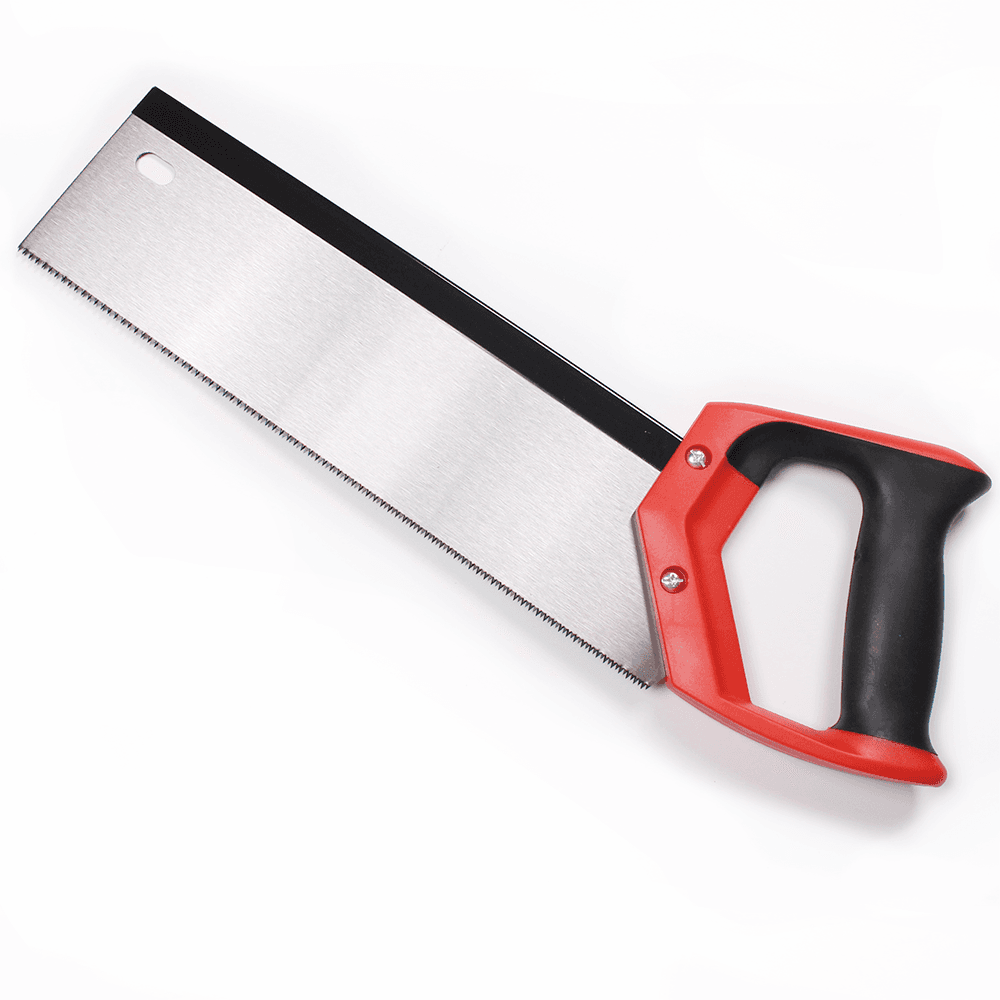
Based on the visible structure, the C-3006 Back-mounted dart belongs to the category of manual saw or blade-based cutting tools. The product shows a flat metal blade with fine teeth along one edge, plus a molded ergonomic handle assembly. The overall layout suggests a tool intended for controlled manual cutting rather than aggressive material removal. That makes it relevant for carpentry, trim work, DIY projects, packaging operations, and similar tasks where accuracy and hand feel matter.
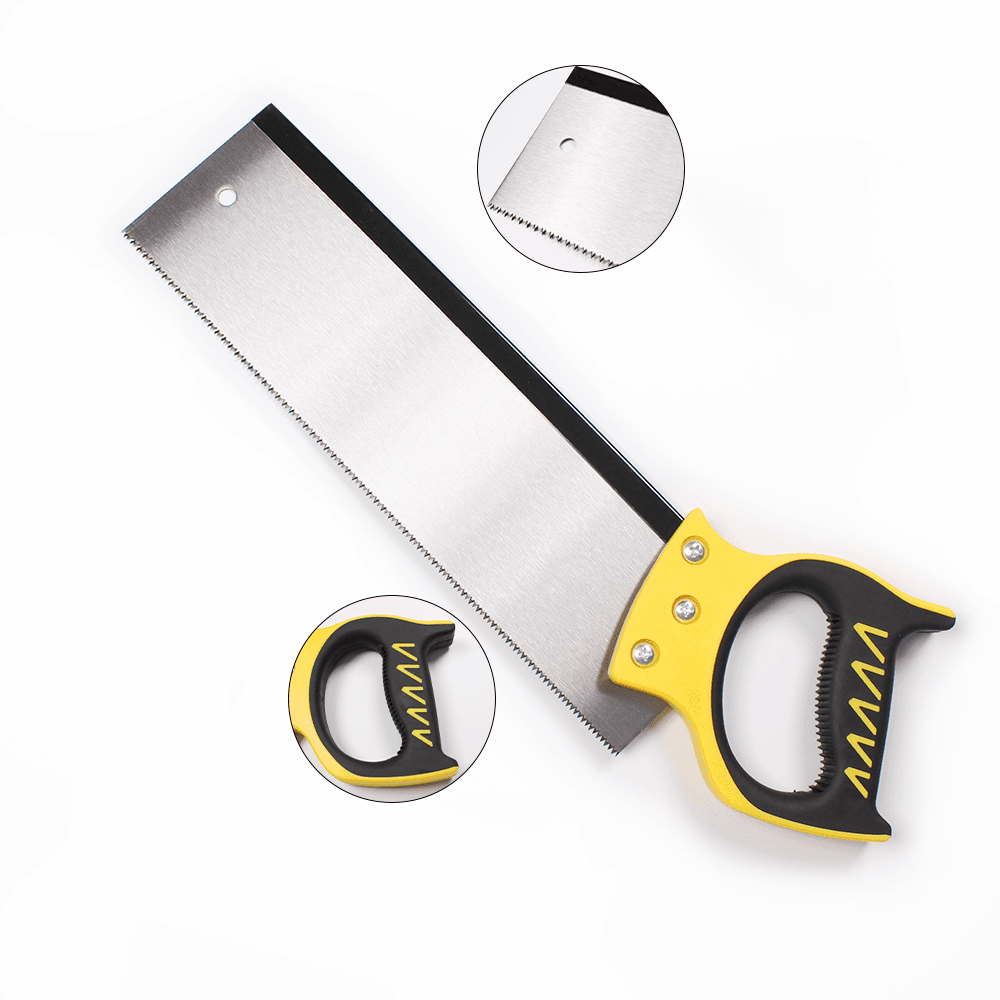
The visible design includes a brushed or satin-finished blade surface, a dark coated or painted top edge, and a hanging hole near the blade tip on one version of the product data. Another visible configuration shows a central mounting hole and a serrated cutting edge, which suggests the blade may also appear in a replacement or insert-style format. Exact dimensions, tooth count, blade thickness, and steel grade are not visible, so those details should be confirmed before procurement.
Key specifications and visible capabilities
Blade structure
The blade appears to be stamped steel with a fine cutting edge. A fine-tooth profile is generally used when the user wants better control and a smoother cut line on softer woods, plastic, or sheet materials. The blade surface has a metallic brushed finish, which is practical for a work tool because it presents a clean, functional appearance and can help users inspect the blade edge more easily.
Handle and grip
The handle is a closed-grip design made from molded plastic, with red outer housing and black grip zones. This ergonomic curved shape supports a more secure hold during push or pull strokes. Two visible screws or fasteners secure the handle assembly, which is a common mechanical approach in hand tools where stable blade-to-handle attachment is important.
Storage and handling
A hanging hole is visible near the blade tip on one version of the product data. That detail is small, but useful in real production settings because it supports wall storage, pegboard display, or organized tool-room placement. For buyers managing workshop inventory, storage compatibility is often a practical selection factor.
Materials and finish options
The visible product data indicates a steel blade with a brushed or satin finish. The top edge appears darkened, coated, or painted black, though the exact coating type is not visible. For the handle, injection-molded plastic is the most likely construction based on the shape and surface appearance, with a black soft-touch or rubber-like section in the grip area.
For procurement planning, the important point is not only the base material, but also how the finish affects usability. A matte or brushed blade reduces visual glare in bright workshop lighting. A molded grip can improve handling consistency. If your application requires corrosion resistance, edge retention, or compatibility with a specific work environment, those requirements should be discussed with the supplier because the exact material grade is not supplied here.
Manufacturing process
The visible form strongly suggests a conventional manufacturing route for manual cutting tools. The blade is likely produced by stamping or blanking from steel sheet, followed by edge grinding or sharpening to form the fine teeth. If the product uses a black top edge or coating, that finish would normally be applied after forming or during a separate surface treatment stage.
The handle appears to be made through plastic injection molding, then assembled to the blade with mechanical fasteners. This type of process is widely used because it supports repeatable geometry, efficient assembly, and consistent tool feel. The exact heat treatment, hardness, and blade temper are not visible, so those performance characteristics should not be assumed without supporting documentation.
Typical application scenarios
The C-3006 Back-mounted dart fits a range of practical use cases where users need manual cutting control. In carpentry, it may be used for general wood cutting or trim work. In DIY settings, it can help with small cuts on lumber, soft plastics, or sheet stock. In workshop and maintenance environments, it may be used for light cutting tasks where a powered saw would be unnecessary.
For packaging and light industrial operations, the replacement-blade style version may be useful for cutting, trimming, scoring, or scraping thin materials such as film, paper, tape, cardboard, or similar stock, depending on the installed edge geometry. Because the product data shows more than one blade form, buyers should confirm whether they are purchasing a hand saw assembly or a separate serrated blade component.
Quality control considerations
For a product in this category, buyers usually look at a few core quality checkpoints: blade flatness, edge consistency, tooth formation, handle fastening strength, and finish quality. A saw blade that is stamped unevenly can cut poorly or feel unstable in use. A handle with weak assembly can create looseness over time. A cleanly ground edge and secure fastener placement are basic indicators of reliable manufacturing.
Since exact tolerances and test results are not provided, it is best to request supplier documentation if your application has stricter requirements. For example, if the tool will be used in repetitive workshop production, you may want confirmation of blade material, hardness range, and packaging protection during shipment.
Customization guidance for buyers
If you are sourcing this type of tool for distribution, retail, or private label use, customization usually focuses on several practical points. Handle color can often be adapted to match brand identity. Blade finish may be adjusted if the supplier offers alternative surface treatments. Packaging can also be customized for retail display, warehouse sorting, or OEM bundling.
When discussing customization, it helps to specify the intended material to be cut, because that influences the preferred tooth profile and blade feel. A buyer using the tool for woodworking may want different edge behavior than a buyer focused on packaging or maintenance. Since exact compatibility and tooth details are not visible, any final specification should be confirmed with samples or technical drawings before mass production.
How to evaluate whether this product is the right fit
Before placing an order, buyers should consider the cut material, required precision, expected usage frequency, and storage environment. For example, a manual saw with a fine-tooth blade is often better for controlled cuts than for fast stock removal. A closed-grip handle is useful when user comfort and hand placement matter. A hanging hole is valuable if your operation uses organized tool boards or retail peg displays.
It is also worth confirming whether the blade is intended as a complete saw assembly or as a replacement blade for a separate tool body. That distinction affects purchasing decisions, inventory control, and end-user instructions. Because the visible data does not confirm blade replaceability, buyers should verify that point before ordering in volume.
Why this design is practical in real workspaces
Manual cutting tools remain relevant because they are simple, portable, and easy to deploy. They do not require power, charging, or complex setup. For workshops that handle a mix of materials, a tool like the C-3006 Back-mounted dart can serve as a dependable secondary cutter alongside powered equipment. The fine-tooth blade supports controlled movement, while the ergonomic handle helps reduce fatigue during routine use.
That combination makes the product suitable for small shops, maintenance teams, retail backrooms, and DIY users who want a straightforward cutting tool with visible construction quality and easy storage.
Request a quote or sample
If you are evaluating the C-3006 Back-mounted dart for procurement, OEM supply, or distribution, send your target application, desired material type, and packaging requirements. A sample check is especially useful when the end use depends on blade feel, handle comfort, or fit with a specific workflow. Share your specification needs, and confirm the blade type, dimensions, and mounting details before purchase to ensure the product matches your production or retail needs.
| Variantes disponibles | C-3006 Back-mounted dart |
|---|
Nous recueillons des informations telles que votre nom, votre adresse courriel et votre historique d’achats afin de fournir et d’améliorer nos services. Nous utilisons ces données pour traiter vos commandes, communiquer avec vous et personnaliser votre expérience d’achat.
Nous mettons en œuvre des mesures de sécurité strictes pour garantir la protection de vos données. Vos informations ne sont partagées qu'avec les partenaires de confiance nécessaires à la fourniture de nos services, tels que les prestataires de paiement et les transporteurs.
En utilisant nos services, vous acceptez la présente politique de confidentialité. Pour toute question ou préoccupation, n'hésitez pas à nous contacter à l'adresse suivante : hulitools@aliyun.com
Explorer les modèles similaires
Créez la gamme adaptée à votre marché.
Faites-nous part des modèles, des quantités et des exigences en matière d'emballage que vous avez en tête. Notre équipe peut vous aider à préparer votre prochain échange avec le fournisseur.