
MZW-400 Wooden-Handled Pole Saw
Omów specyfikacje, ilości i wymagania dotyczące opakowań z naszym zespołem.
Dostępne warianty
Suma częściowa:
Szczegóły produktu
MZW-400 Wooden-Handled Pole Saw Overview
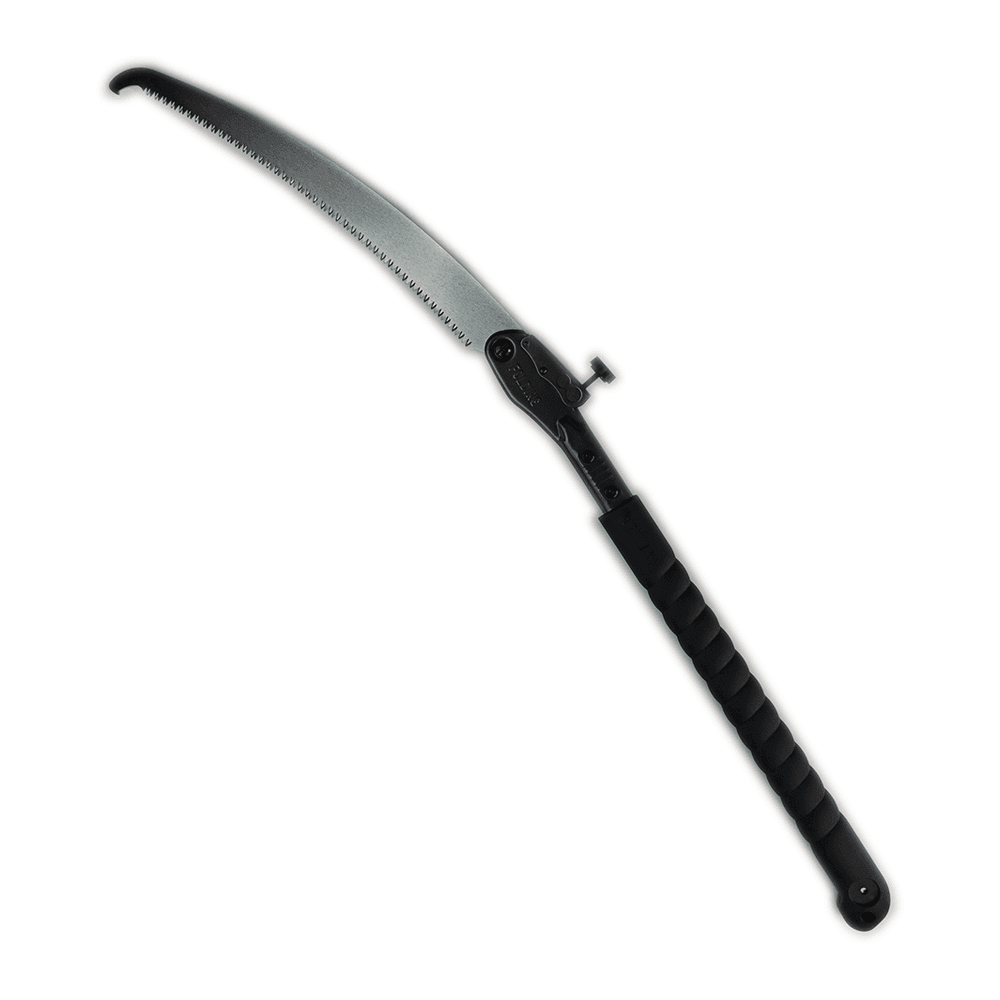
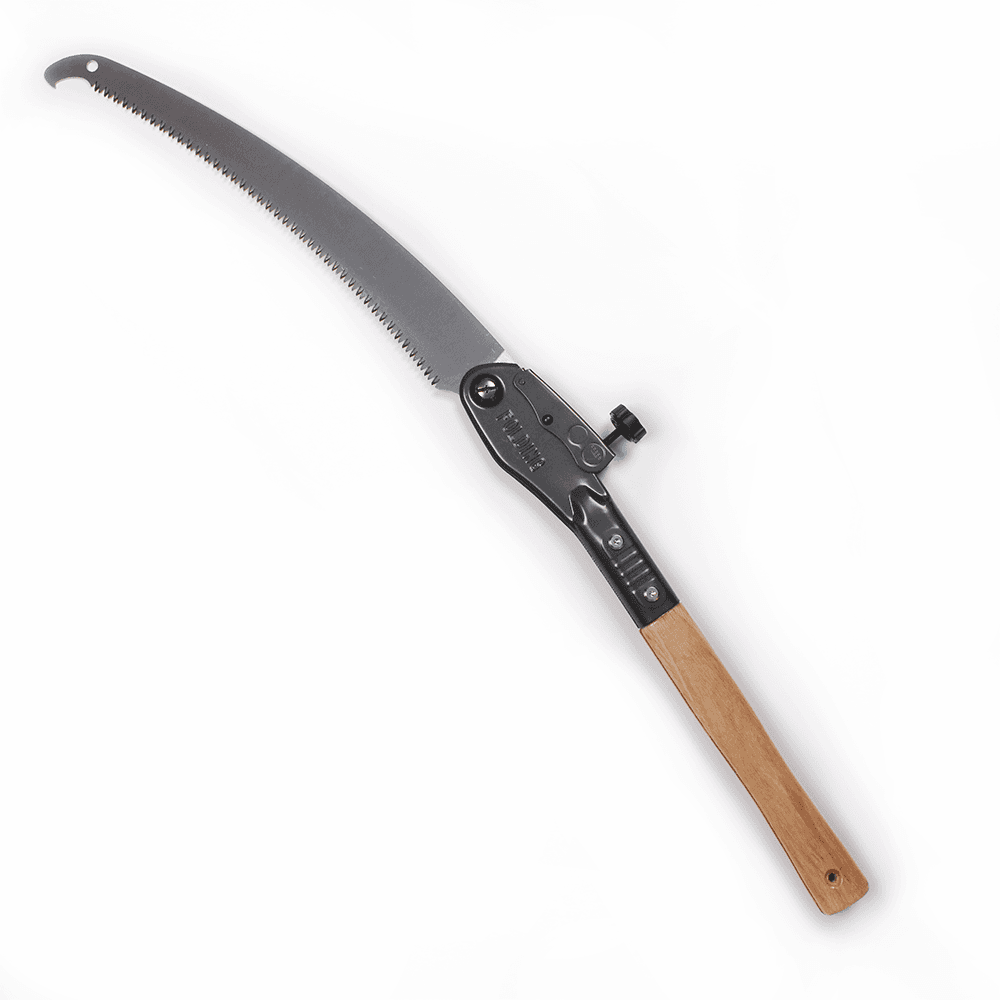
The MZW-400 Wooden-Handled Pole Saw is a compact hand pruning tool designed to solve a common jobsite and garden problem: reaching and cutting branches cleanly without relying on powered equipment. For landscaping crews, orchard workers, and homeowners maintaining shrubs or small trees, a folding pruning saw can be more practical than larger tools when the task calls for controlled hand cutting, easy carrying, and quick storage. Based on the visible structure, this model combines a curved serrated blade, a lockable folding joint, and a straight wooden handle with a hanging hole for tethering or storage.
Because the tool is a hand-operated saw rather than a motorized cutter, it is suited to branch trimming, yard cleanup, and field tasks where portability matters. The curved blade shape and hooked tip are typical design cues for pruning work, helping the saw engage wood more confidently during pull or push strokes depending on the user’s technique. Exact dimensions, steel grade, and lock style are not provided, so the information below focuses on what is visible and on standard industry uses for this type of tool.
Product Structure and Visible Features
The visible build suggests a practical pruning tool with a narrow metal blade mounted to a black folding head assembly. The blade appears to be coated metal or dark-finished steel with serrated teeth along one edge. A hooked or crooked tip is visible at the blade end, which is commonly used to help control the saw path near branches. The handle is straight wood, likely shaped for a firm grip, and a lanyard hole is present at the end for hanging or attaching a strap.
The lock or pivot area near the handle junction is especially important in this style of hand saw. A folding head can improve storage safety and reduce accidental contact during transport. The black housing and small locking knob or button seen near the pivot indicate that the blade is intended to stay positioned during use, though the exact lock mechanism is not confirmed from the image.
Key Capabilities
Curved serrated blade for branch work
The curved blade geometry is well suited to pruning because it helps keep the teeth engaged along the cut as the user moves the saw. This shape is often preferred for branches and shrubs where a straight blade may feel less stable or require more repositioning. The fine serrations visible on the blade edge suggest it is intended for wood cutting rather than general utility slicing.
Folding or lockable head assembly
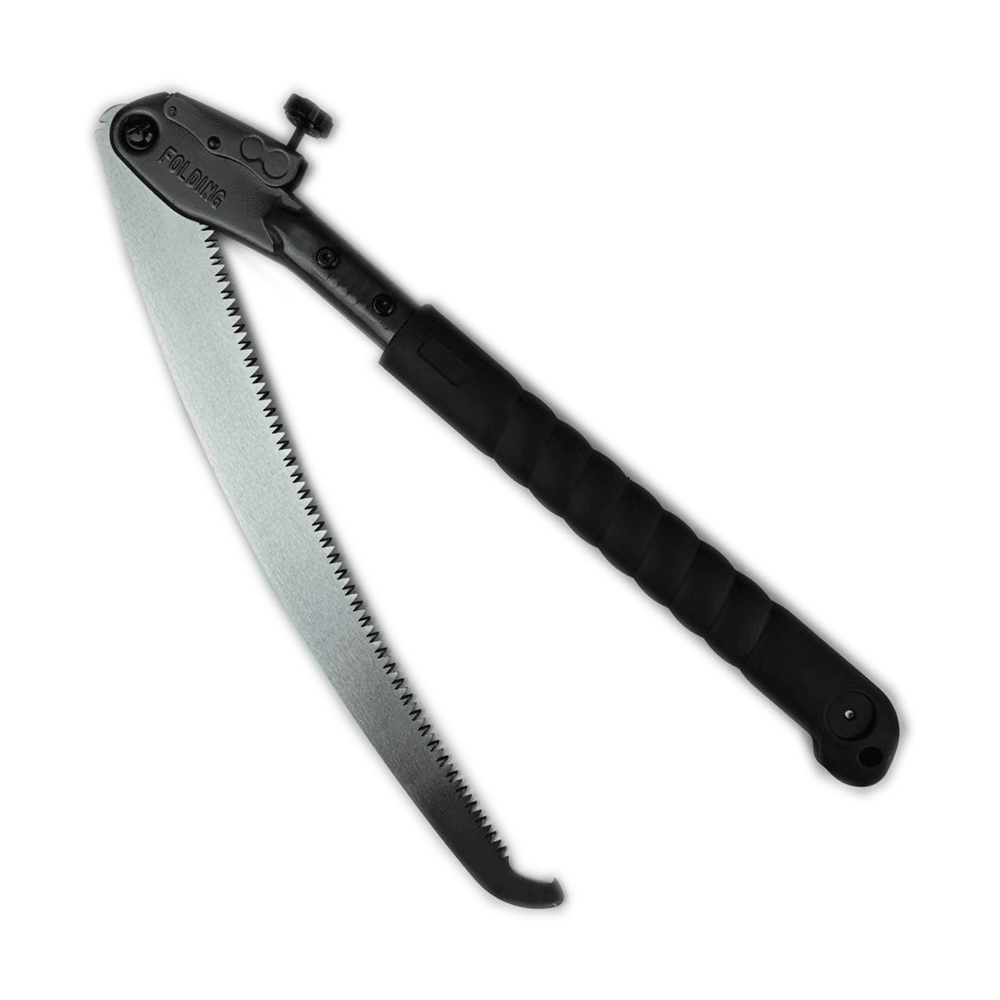
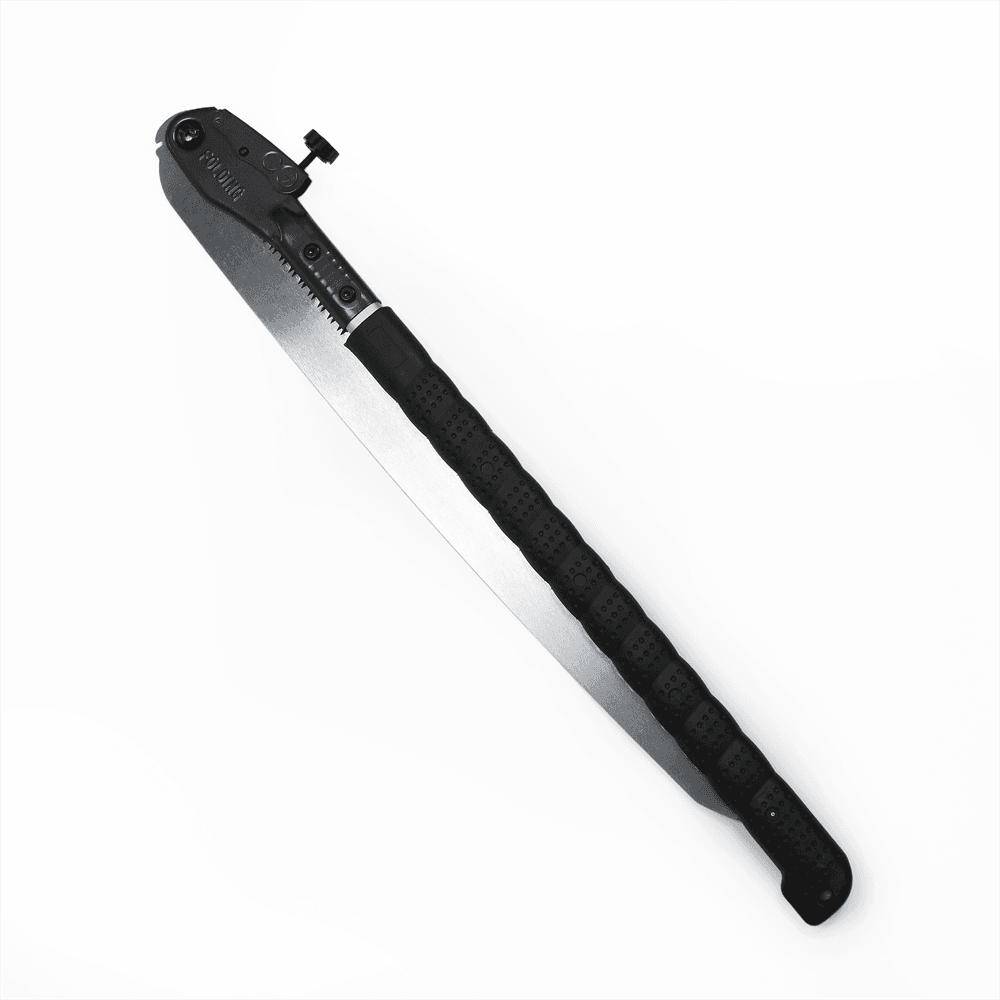
The folding joint adds a practical safety and storage advantage. When the blade is stowed, the tool is easier to carry in a toolbox, vehicle, or field kit. For buyers selecting hand pruning equipment, a secure pivot or lock is one of the first features to inspect, since it directly affects handling confidence during cutting and transport.
Wooden handle for a traditional grip
The handle appears to be natural wood with visible grain and a simple cylindrical or slightly tapered profile. Wooden handles are commonly chosen in hand tools for a familiar feel, tactile grip, and straightforward maintenance. The lanyard hole adds a basic but useful detail for hanging the saw in a workshop, garden shed, or equipment bag.
Materials and Finish Options
Visible materials on the MZW-400 include a metal blade, black coated or painted head housing, and a wooden handle. The exact wood species and steel grade are not identified, so they should not be assumed. Still, the material combination matches a long-standing approach in hand tools: a metal cutting element paired with a grip material that is easy to hold and replace if needed in manufacturing.
The blade finish appears dark and matte in some areas, which may help reduce glare and provide a cleaner visual contrast against the teeth. The head assembly is black, while the handle shows a lighter natural wood tone. Buyers looking at this product category often consider whether the blade has a corrosion-resistant coating, but that characteristic is not confirmed here and should be verified separately if it matters for wet environments.
Manufacturing and Assembly Notes
From a production standpoint, the saw likely falls into a standard assembled hand-tool category. The blade appears to be formed from stamped or cut metal, then sharpened into a serrated tooth pattern. The head assembly would typically require pivot hardware, a lock component, and a protective housing or cover. The handle may be machined, turned, or shaped wood with a drilled hole at the end for hanging or tethering.
Because the image does not show internal construction, exact processes cannot be confirmed. However, the visible configuration suggests a straightforward manufacturing route aimed at functionality: cutting blade production, metal housing fabrication, handle shaping, and final assembly with pivot alignment and lock testing.
Typical Application Scenarios
This type of folding pruning saw is commonly used in several working environments. In gardens and landscapes, it can help remove overgrowth, trim branches, and clear small woody stems around paths or fences. In orchards, it may be used for routine branch management where a hand saw gives better control than a larger cutting tool. For outdoor and camping use, the compact format makes it practical for cutting light wood, clearing brush, or preparing small pieces of firewood.
It may also be useful for general maintenance tasks where electricity is unavailable or unnecessary. Hand tools remain relevant because they are quiet, portable, and easy to deploy in tight spaces. For users who need a manual option for periodic cutting rather than continuous heavy-duty work, this saw format is often a sensible choice.
Quality Control Considerations
For a product like the MZW-400 Wooden-Handled Pole Saw, quality control usually focuses on blade alignment, tooth consistency, pivot stability, and lock engagement. A pruning saw should open and close smoothly, with no excessive play at the hinge. The teeth should be evenly formed so the cut action feels consistent across the blade length. Handle finish also matters, since rough spots or splinters can reduce comfort during repeated use.
Buyers should also check that the folding action is secure in both the open and closed positions. If the saw is used in a bag or carried on a job site, stable locking helps reduce the risk of unintended movement. As with any hand tool, users should inspect the blade before first use and keep it clean after cutting sap, damp wood, or outdoor debris.
Customization and Buyer Selection Guidance
When evaluating a tool in this category, buyers usually compare blade shape, handle material, lock style, and intended use. A curved blade is often preferred for pruning branches and garden wood, while a straight blade may suit some general cutting tasks. Wooden handles appeal to users who want a traditional feel and simple grip, though some buyers may prioritize synthetic handles for weather exposure or higher-volume work.
If customization is required for a sourcing project, the most likely areas would be handle finish, blade coating, branding placement, packaging, or lock configuration. Since none of those details are supplied here, they should be treated as project options rather than product facts. Purchasers should request confirmation of dimensions, materials, and assembly details before committing to a specific order.
Decision Factors Before Purchase
Several practical questions help determine whether this pruning saw is the right fit. First, consider the type of material to be cut. This tool is best aligned with branches, shrubs, and light outdoor wood rather than thick logs or industrial cutting. Second, think about storage and transport. A folding hand saw is useful when space is limited and safety matters. Third, examine the grip and balance. A wooden handle may be comfortable for many users, but hand size and work duration can change that preference.
It is also wise to confirm the lock function, since a secure pivot is central to safe use. Buyers working in damp or coastal settings may want to ask about blade coating or corrosion resistance. Finally, if the tool will be shared among multiple users, clear labeling and a reliable hanging hole can improve organization in a shop or field kit.
Practical Use and Care
To get the best service from a pruning saw like the MZW-400, keep the blade clean after cutting resinous or wet wood, and store it dry when possible. Folding the blade before transport reduces accidental contact. If the handle is unfinished or lightly finished wood, periodic care may help preserve the grip surface. As with all manual saws, using the correct stroke and allowing the teeth to do the work will improve control and reduce unnecessary wear.
Request More Information
If you are sourcing the MZW-400 Wooden-Handled Pole Saw for garden supply, outdoor equipment, or private label use, the next step is to confirm the specifications that are not visible here: blade length, tooth count, steel type, lock design, and finish requirements. For purchase decisions, those details matter as much as the overall shape. Share your application needs, and the product can be matched more accurately to your cutting environment.
| Dostępne warianty | MZW-400 Wooden-Handled Pole Saw |
|---|
Gromadzimy informacje takie jak imię i nazwisko, adres e-mail i historię zakupów, aby świadczyć i ulepszać nasze usługi. Wykorzystujemy te dane do przetwarzania zamówień, komunikacji z Tobą i personalizacji Twoich zakupów.
Wdrażamy rygorystyczne środki bezpieczeństwa, aby zapewnić bezpieczeństwo Twoich danych. Twoje dane udostępniamy wyłącznie zaufanym partnerom, niezbędnym do świadczenia naszych usług, takim jak podmioty przetwarzające płatności i firmy kurierskie.
Korzystając z naszych usług, wyrażasz zgodę na niniejszą politykę prywatności. W razie pytań lub wątpliwości prosimy o kontakt pod adresem hulitools@aliyun.com
Przeglądaj powiązane modele
Zbuduj ofertę odpowiednią dla swojego rynku.
Podziel się modelami, ilościami i wymaganiami dotyczącymi opakowań, które masz na myśli. Nasz zespół pomoże Ci przygotować kolejną rozmowę o zaopatrzeniu.