What buyers really need to know about the LZZ-600 aluminum handle high branch saw
If you are comparing pruning tools for landscaping, orchard work, or general outdoor maintenance, the LZZ-600 aluminum handle high branch saw is the kind of product that deserves a close look before you place an order. On paper, it is a simple hand saw. In practice, the details around blade shape, grip design, and the joint at the handle can decide whether it feels efficient in the field or merely adequate after a long day of cutting.
That is the real search intent behind a product like this: not just “what is it,” but “what kind of work is it actually suited to, and what should I check before buying?” For sourcing managers and product teams, that matters because pruning tools are often judged on a small set of visible features that hide the more important questions of durability, user comfort, and consistency from batch to batch.
At a glance: the features that stand out
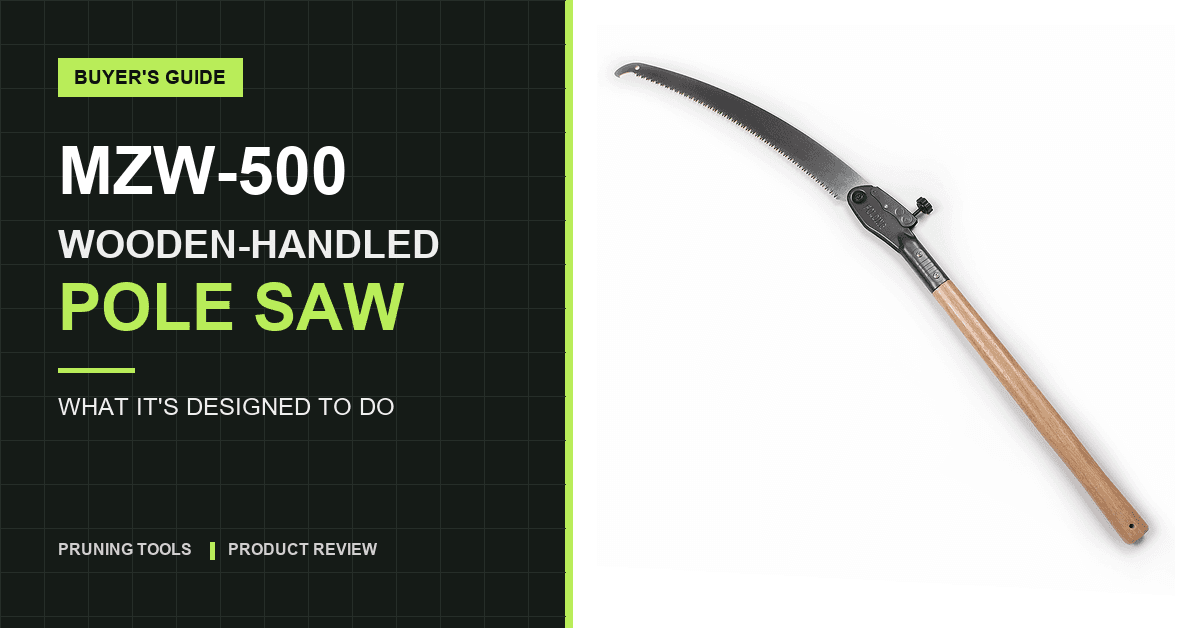
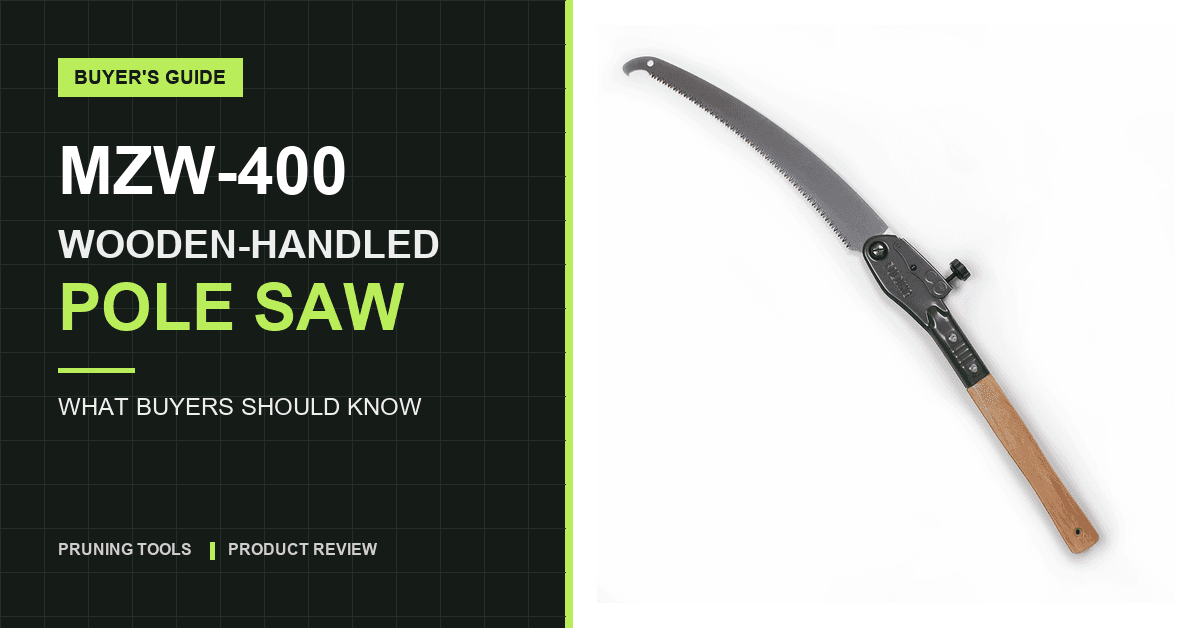
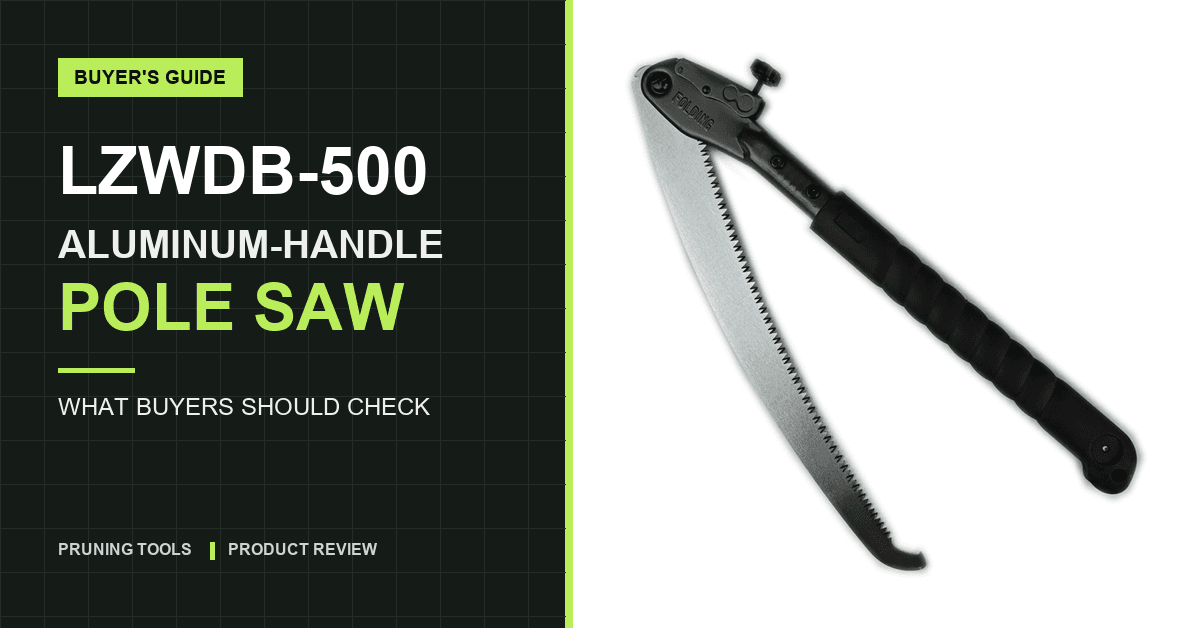
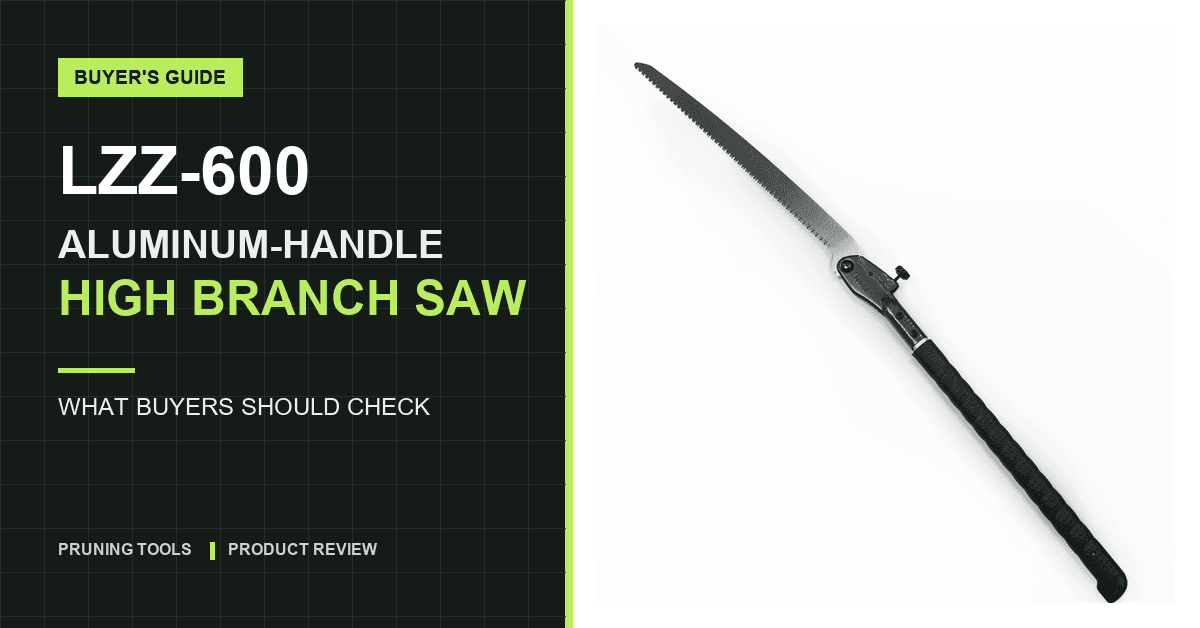
The LZZ-600 aluminum handle high branch saw appears to be a manual pruning saw with a long, narrow blade and a black handle designed for slip resistance. The blade shows a metallic finish and a serrated cutting edge with large, evenly spaced teeth. That tooth pattern usually points toward more aggressive cutting in wood and branches rather than fine finish work.
The handle is the other obvious selling point. In the supplied product details, it is described as aluminum with a black textured grip, which suggests a tool meant to balance light weight with a firmer hold under wet or dirty conditions. There is also a pivot or lock area near the top, which may indicate a folding or lockable blade assembly. That is a useful feature for storage and transport, though the exact locking style is not confirmed.
A practical buyer should read those cues as functional, not decorative. A long blade can improve reach and cutting stroke. A textured grip can reduce fatigue and slippage. A lockable joint can make the tool easier to carry. None of those features automatically make the saw better, but they do shape how it performs in real use.
Where this type of saw fits in field work
This saw is most relevant for pruning tree limbs, trimming shrubs, and general garden maintenance. It may also see use in landscaping crews, campsite wood cutting, and light woodworking tasks if the blade and tooth profile suit that job. The product description also hints at a possible high-branch or pole-saw style application, although the extension pole itself is not visible and should not be assumed.
That uncertainty matters. A lot of saws are marketed for “high branch” work, but the useful distinction is whether the head is designed to mount securely to an extension pole, or whether it is simply a hand saw with a long handle and an aggressive blade. Those are not interchangeable in the field. A buyer purchasing for arborist use will want to verify attachment compatibility, joint strength, and how securely the blade locks under load.
Blade, handle, and joint: the three components that matter most
Blade geometry
The visible blade is long, narrow, and tapered toward a rounded tip. That shape usually helps the saw move through branch material with less drag than a wider blade would create. The large tooth spacing suggests faster cutting on green wood or softer woody material. It may not be the best choice for clean finish cuts or dense hardwood if precision is the priority.
Because the exact tooth pitch, blade steel, and heat treatment are not provided, it is wise to avoid overpromising on cutting speed or durability. In procurement terms, the geometry looks promising, but the performance claims still need validation.
Handle construction
The handle is described as aluminum with a black grip area, likely rubberized or overmolded. That combination is common in tools that need a sturdy core with a more comfortable outer surface. In outdoor maintenance, grips are often tested less by laboratory specs than by sweat, sap, dust, and repetitive motion. A textured handle is not a luxury item; it is a basic usability feature.
One caution: an aluminum handle can be an advantage for weight and stiffness, but the real question is how the grip is bonded or mechanically secured. If the overmold or insert is poorly executed, the tool may feel good on day one and loosen up later. That is exactly the sort of detail a sample inspection should catch.
Pivot or lock mechanism
The joint near the top of the tool is one of the most important features to inspect. The available information suggests a folding or lockable configuration, possibly with a thumb lock or tightening knob. That is useful for compact storage and safer handling when not in use.
For buyers, the key question is not simply whether the saw folds. It is whether the mechanism feels solid under repeated opening and closing, and whether the blade stays aligned without wobble. A loose joint can make cutting feel inefficient and can raise safety concerns. If the saw is intended for heavy field use, this is where you want to be picky.
What to compare before you buy
When evaluating a saw like the LZZ-600 aluminum handle high branch saw, the most practical comparison points are straightforward:
Blade length and reach: longer blades can help with branch clearance and stroke efficiency, but they should still feel controllable.
Tooth size and spacing: large teeth usually cut faster in soft or green wood, while finer teeth are better for cleaner, slower cuts.
Grip design: look for enough texture to maintain control without creating hot spots in the palm.
Joint stability: check for blade play, smooth locking action, and a secure feel when opened.
Weight balance: a saw that feels too nose-heavy becomes tiring quickly, especially during overhead work.
These are the things that affect field performance more than a glossy product image ever will.
Common mistakes buyers make with pruning saws
The first mistake is assuming that all branch saws are interchangeable. They are not. A saw intended for quick pruning of soft wood is not automatically suitable for dense hardwood or repeated professional use.
The second mistake is focusing only on blade length. A longer blade can be useful, but if the joint is weak or the grip is awkward, the tool can be less productive than a shorter, better-balanced saw.
The third mistake is overlooking replacement and maintenance strategy. Even a good manual saw becomes frustrating if the blade dulls quickly and there is no clear path for service or replacement. The supplied information does not confirm whether the blade is replaceable, so that is a worthwhile question for the supplier.
And a small but real caution: if this saw is being considered for crew deployment, make sure the locking mechanism, handle finish, and any pole-attachment features are verified by sample testing. Catalog language often sounds more robust than the actual hardware.
Why this product form is popular in the market
Manual pruning saws remain relevant because they solve a very basic problem well: they cut without power, batteries, hoses, or fuel. That simplicity matters in gardens, on job sites, and in remote outdoor settings. The aluminum handle and textured grip improve portability and handling, while the long serrated blade supports quick branch removal with relatively low setup time.
For sourcing teams, this kind of tool is also attractive because it sits in a broad use category. It can be sold into gardening, landscaping, camping, and general maintenance channels. The challenge is not demand; the challenge is making sure the product is built consistently enough to satisfy different users with different expectations.
Practical buying advice for B2B teams
If you are sourcing the LZZ-600 aluminum handle high branch saw or a similar pruning tool, ask for samples and inspect three areas first: joint stability, grip quality, and blade finish. Those three checks will tell you more than a spec sheet with vague marketing language.
If the tool is intended for retail, the packaging and visual presentation matter, but not as much as the feel in hand. If it is intended for contractor use, repeat-use reliability becomes the priority. If it is intended for outdoor and seasonal programs, storage safety and corrosion resistance should be discussed carefully, since the blade finish and material grade are not confirmed here.
Also, do not assume any attachment compatibility unless it is clearly documented. A high-branch saw title can sometimes suggest pole use, but the actual mounting method needs to be verified.
FAQ
Is this saw for general wood cutting or only pruning?
Based on the supplied information, it appears suited primarily to pruning branches and outdoor trimming. It may handle light wood cutting, but the saw should be evaluated against the actual intended material.
Is the blade folding?
The product description suggests a folding or lockable joint, but that is not fully verified. Buyers should confirm the mechanism directly.
What makes the grip important?
A textured, non-slip grip helps with control during overhead or extended use, especially when hands are wet, dusty, or resin-coated.
Can this be used with an extension pole?
That cannot be confirmed from the supplied data. If pole use is required, request explicit attachment specifications.
Next step for buyers
If you are shortlisting the LZZ-600 aluminum handle high branch saw, treat it as a practical pruning tool first and a catalog item second. Ask for a sample, check the lock and handle fit by hand, and confirm the blade configuration against your intended use. Those simple checks will save time later, especially if the tool is being sourced for retail, landscaping supply, or seasonal outdoor programs.
In this category, the difference between a decent saw and a disappointing one is usually not dramatic on paper. It shows up in the joint, the grip, and the way the blade actually behaves after a few cuts.